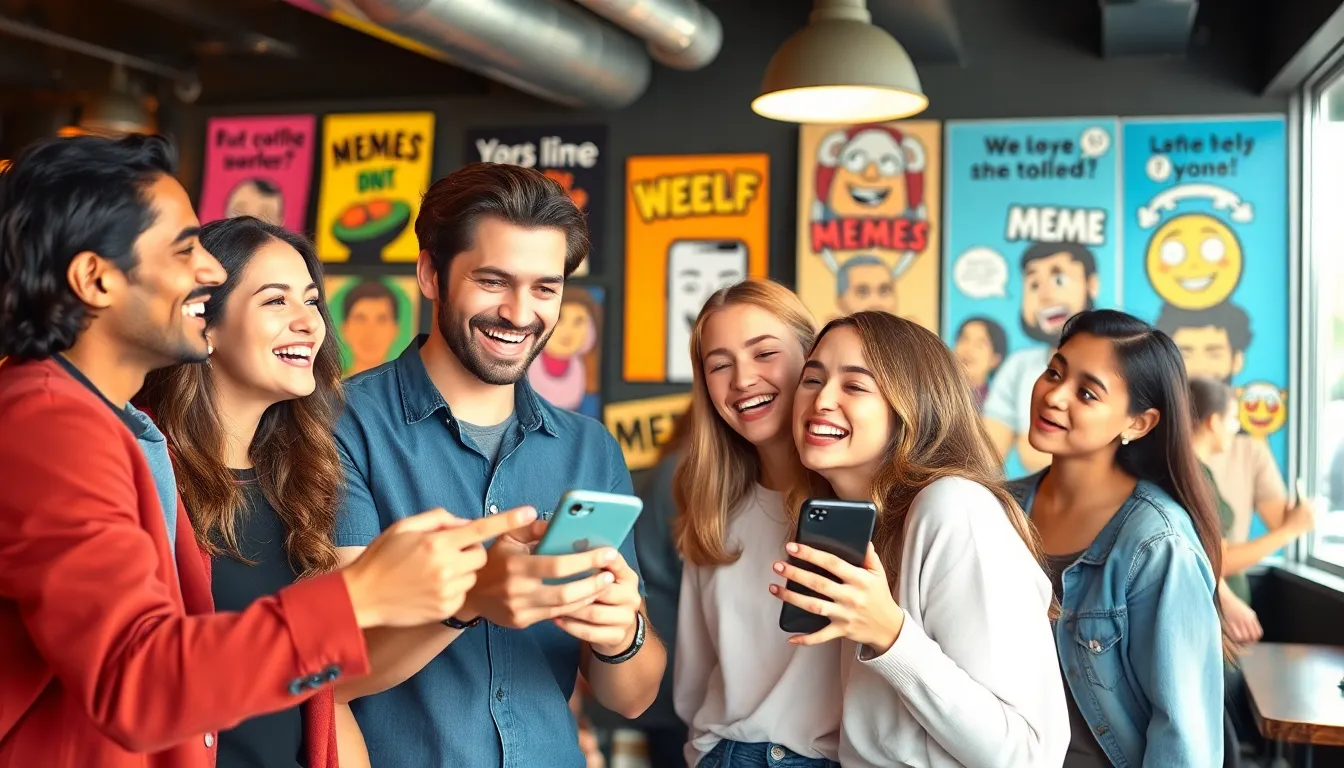
In today’s digital landscape, memes have evolved from simple jokes to powerful cultural phenomena. They’re not just funny images; they’re the heartbeat of online communication, shaping trends and sparking conversations across social media platforms. Whether it’s a cat in a funny hat or a clever take on current events, memes have a unique ability to connect people through laughter and shared experiences.
Memes culture is more than just entertainment; it’s a reflection of society’s quirks and complexities. With a few clicks, anyone can join the global conversation, turning inside jokes into viral sensations. As they spread like wildfire, memes challenge norms, provoke thought, and, let’s be honest, provide a much-needed break from reality. Dive into the world of memes and discover how they’re not just changing the way we communicate but also how we see ourselves in this ever-evolving digital age.
Understanding Memes Culture
Memes serve as a vibrant expression of contemporary culture. They often take the form of images, videos, or text that reflect humor or social commentary, allowing for broad engagement across various platforms.
Definition of Memes
Memes represent cultural elements that spread rapidly through imitation and adaptation. They capture shared ideas, thoughts, and behaviors within digital communities. Memes can be humorous or serious, addressing a wide range of subjects, from everyday experiences to political events. This flexibility enhances their appeal, making them accessible for diverse audiences. By relying on visual and textual combinations, memes invite users to participate in ongoing dialogues, thus becoming part of a communal narrative.
Origins of Memes Culture
Memes culture traces its roots to early internet forums and email chains. The term “meme,” originally coined by Richard Dawkins in 1976, described how cultural ideas transmit and evolve. As social media platforms emerged, memes adapted to various formats, gaining popularity for their relatability. Sites like 4chan and Reddit played pivotal roles in fostering meme communities. Ultimately, the rise of platforms like Instagram and TikTok further accelerated meme dissemination, making them integral to online communication today.
Impact of Memes Culture
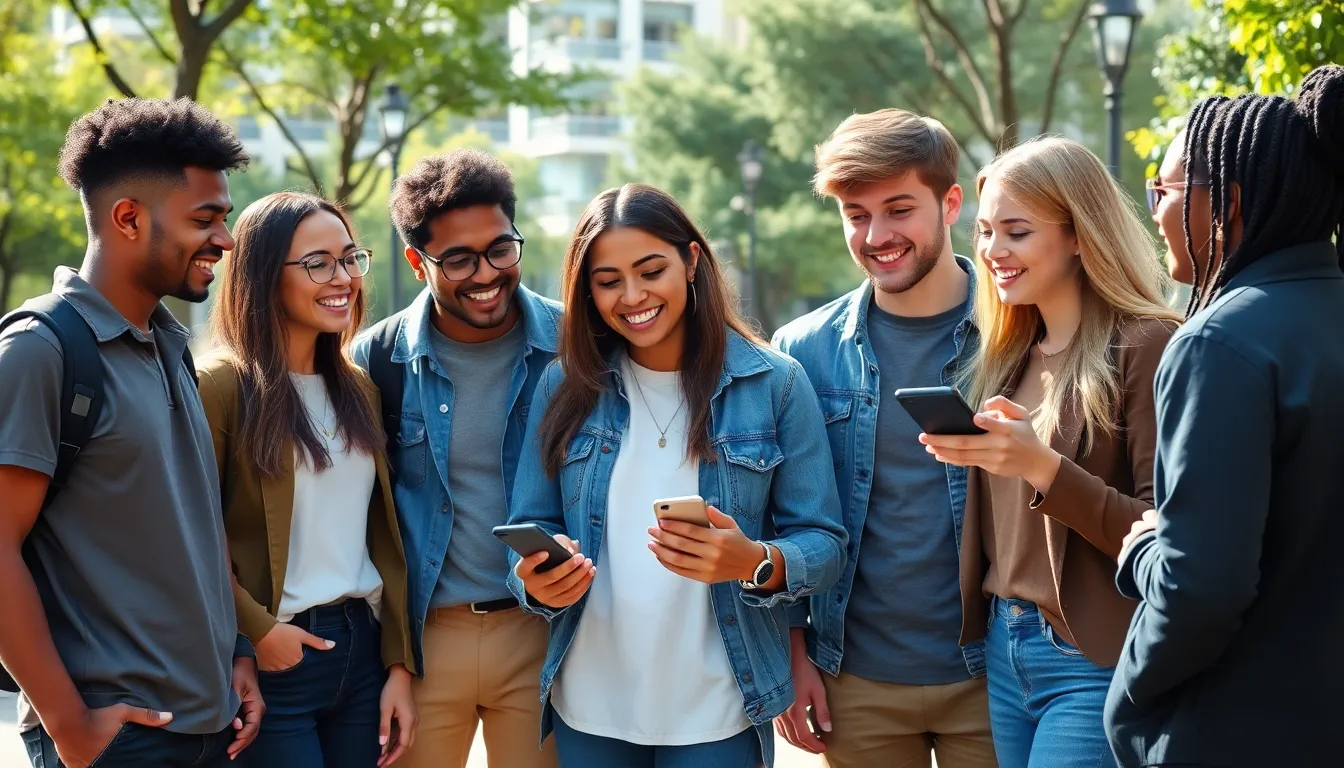
Memes have transformed communication and cultural expression significantly. Their influence permeates various aspects of society and media, shaping the way people interact and engage.
Social Media Influence
Social media serves as the primary platform for meme dissemination. Users share memes across platforms like Twitter, Instagram, and TikTok, enabling rapid circulation. Engagement metrics reveal that memes often garner more attention than traditional media. Sharing creates community, as users find common ground in humor and relatable content. Memes can also shape trends, influencing popular culture and conversations while reflecting user experiences. With algorithms favoring visually engaging content, memes capture attention quickly. This high visibility encourages businesses and influencers to leverage memes to connect with audiences effectively.
Political Commentary
Memes play a crucial role in political discourse. Creators use humor or satire to express opinions on current events and societal issues. Viral political memes can mobilize public sentiment, especially during elections or crises. Analysis shows that memes often simplify complex issues, making them more digestible for wider audiences. Users can quickly share their political views through memes, broadening the conversation’s reach. By combining visuals and text, political memes stimulate discussions and encourage diverse viewpoints. Ultimately, they challenge authority and spark awareness, prompting deeper engagement with political matters.
Memes Culture in Different Demographics
Memes resonate differently across various demographics. Several factors, including age and region, play a significant role in shaping meme culture.
Age Groups and Memes
Younger audiences, particularly Generation Z and millennials, find memes relatable and engaging. These age groups generate and share memes extensively on platforms like TikTok and Instagram. Conversely, older generations, such as Gen X and baby boomers, often consume memes but create and disseminate them less frequently. Humor, nostalgia, and cultural references appeal to different age groups. For instance, older memes might draw from classic sitcoms, while younger users prefer trending social media formats. Understanding these distinctions helps brands tailor their content for diverse audiences.
Regional Variations
Regional differences significantly influence meme creation and consumption. Various cultures interpret humor distinctively, resulting in unique memes. North American memes often emphasize individualism, while Asian meme culture may highlight collective experiences. Internet slang and cultural references also vary across regions. For example, memes in Japan may utilize anime characters, while European memes might draw from political contexts. These variations reflect local customs, societal issues, and collective phenomena, demonstrating how memes serve as a mirror of cultural identity. Adaptation to local languages and contexts enhances relatability and engagement within specific demographics.
The Future of Memes Culture
Memes culture continues to evolve, showcasing dynamic transformations in response to society’s shifts. Innovations in technology and social media platforms directly influence this evolution. Memes will transition into more interactive formats, incorporating elements like augmented reality, shoppable posts, and live-streaming content. As audiences seek more engagement, creators will respond with new meme concepts that resonate with diverse user bases.
Evolution of Memes
The evolution of memes reflects advancements in technology and cultural contexts. Memes began as simple image macros and have grown into complex forms like GIFs, videos, and mini-documentaries. They’ve also integrated various multimedia elements, enhancing their storytelling capacity. As platforms like TikTok dominate, memes increasingly utilize short clips to convey humor and messages rapidly. Emerging trends showcase the blending of traditional media with meme culture, creating hybrid content that appeals to broader audiences. Future memes are likely to emphasize personalization, allowing users to tailor memes to specific experiences.
Potential Trends
Potential trends indicate a shift towards greater personalization and interactivity in meme creation. Users may gravitate towards creating niche memes that reflect specific interests or local cultures. Interactive memes could emerge, allowing audiences to participate in their development, incorporating real-time responses or audience-generated content. Sustainability themes might gain traction, with memes addressing environmental issues or promoting eco-friendly initiatives. Additionally, as meme formats adapt, visual qualities will likely diversify, embracing styles from various cultures. Emerging technologies such as artificial intelligence could streamline meme creation and adaptation, further enriching the landscape of memes culture.
Memes have become an integral part of modern communication and cultural expression. They not only entertain but also foster connections among diverse audiences. As meme culture continues to evolve with technology and societal changes, it remains a powerful tool for reflection and engagement.
The future promises even more innovative formats and personalized content, allowing users to express their identities and experiences in unique ways. As memes adapt to reflect shifting cultural landscapes, they’ll undoubtedly continue to shape conversations and influence popular culture for years to come.