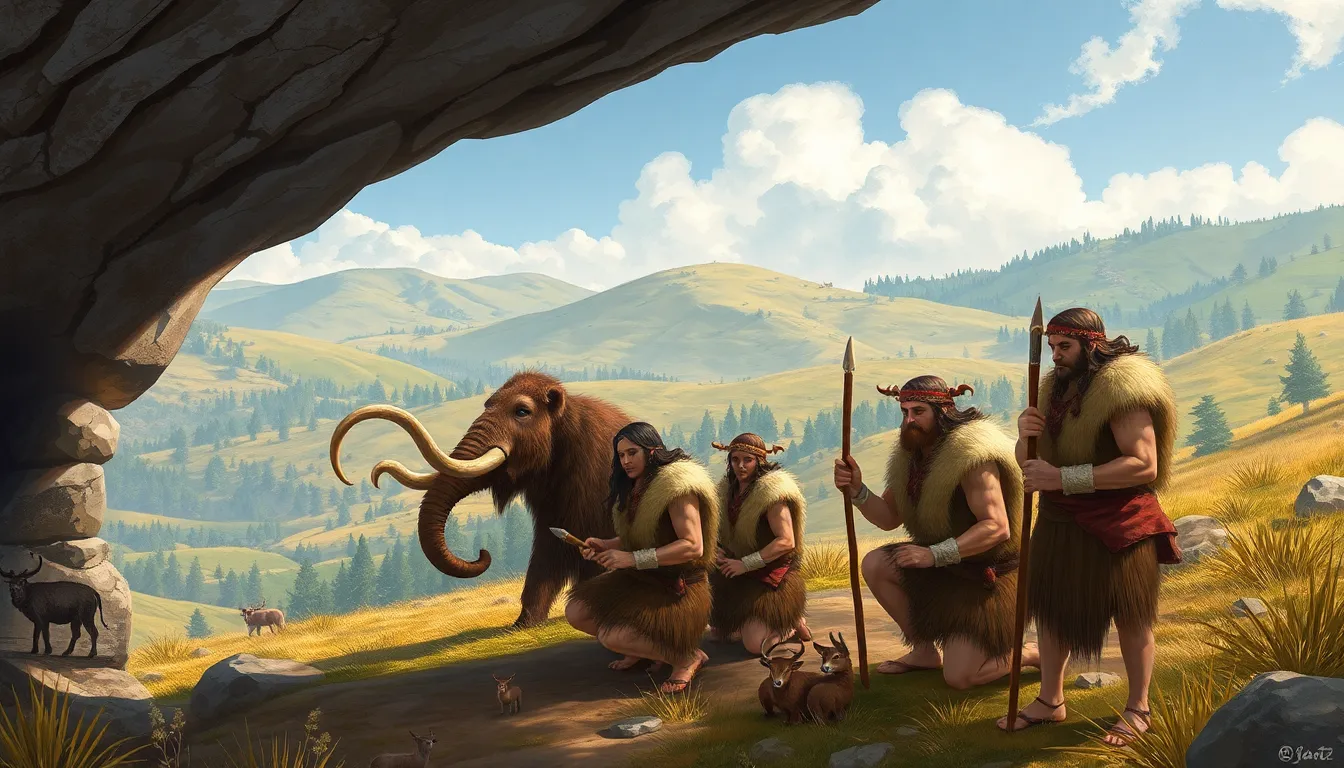
Step back in time to the Upper Paleolithic era, where the Magdalenian culture reigned supreme. Imagine a world filled with mammoth hunting, intricate cave art, and the kind of social gatherings that would’ve made even the most modern-day hipsters envious. This fascinating culture, flourishing around 17,000 to 12,000 years ago, offers a glimpse into the lives of our ancient ancestors who mastered the art of survival while creating stunning masterpieces on cave walls.
Overview Of Magdalenian Culture
Magdalenian culture represents a significant aspect of the Upper Paleolithic era, flourishing from approximately 17,000 to 12,000 years ago. This period showcases the advanced survival strategies of early humans, specifically in regions of Western Europe. Evidence suggests people engaged in hunting large game, with mammoths as primary targets.
Artifacts reveal that Magdalenian people crafted tools from stone, bones, and antlers. These tools included finely made blades, which highlighted their technical skills. Additionally, the culture is renowned for exceptional cave art, found in locations like Lascaux and Altamira. These artistic expressions often depict animals, offering insights into their environment and the species they encountered.
Social structures during this time likely included communal gatherings, where shared hunting success fostered bonds among groups. Material culture indicates a reliance on seasonal migrations, allowing populations to follow herds and sustain their communities. The presence of portable art objects and intricate carvings suggests a layered belief system and complex social interactions.
Craftsmanship extended beyond tools, evident in decorative items such as personal ornaments. Such artifacts contained symbolic significance, possibly linked to identity and status within groups. As a cornerstone of prehistoric culture, the Magdalenian’s contribution to human artistic expression paved the way for future generations.
Knowledge of the Magdalenian culture enhances understanding of human evolution and social development during the Paleolithic era. Each discovery adds depth to the narrative of early human life, illustrating adaptability in the face of changing climates and landscapes.
Key Characteristics
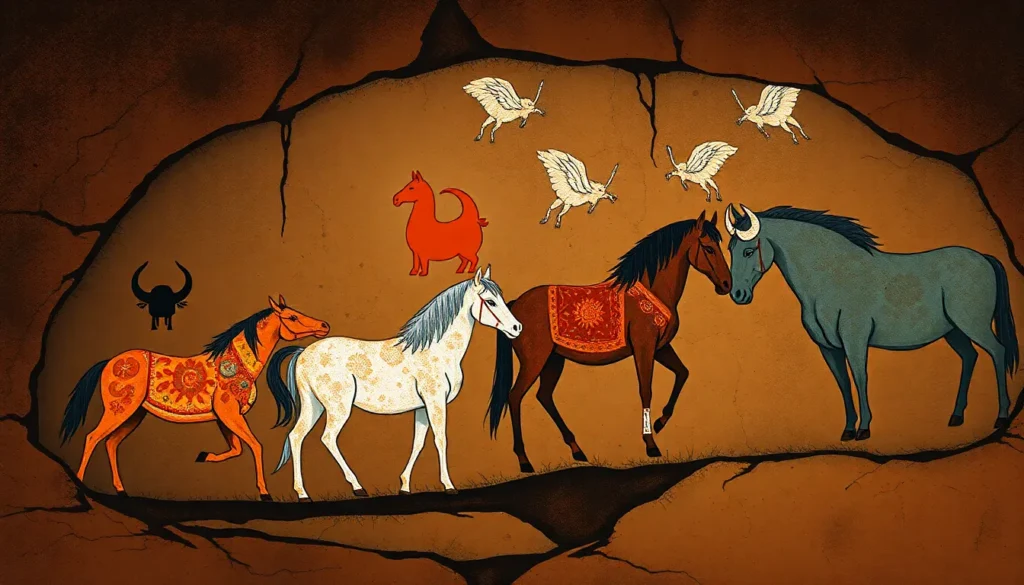
Magdalenian culture features several distinctive characteristics that highlight its sophistication during the Upper Paleolithic era.
Art and Symbolism
Art and symbolism play crucial roles in Magdalenian culture. Cave art flourished, with exquisite depictions of animals such as horses, bison, and deer. Locations like Lascaux and Altamira became famous for these artistic expressions. Symbolic engraving on objects and cave walls suggests a rich spiritual life. Artists used natural pigments, often mixed with animal fat, to create vivid images that convey respect for nature and the environment. Additionally, decorative objects often served personal or communal significance, possibly linked to rituals or status.
Tools and Technology
Advanced tools marked the Magdalenian era. Stone blades and projectile points represent a high level of craftsmanship, demonstrating adaptability to changing environments. They made tools from flint, bone, and antler, allowing for efficient hunting and processing of animals. Fishing tools, such as harpoons, indicate a diversified diet. The presence of intricate toolkits suggests a well-developed understanding of resource management. Specialized tools enabled more complex hunting strategies, critical for survival during harsh climatic conditions.
Social Structure
The social structure of the Magdalenian culture reflects communal living and cooperation. Groups formed around successful hunting expeditions, and these gatherings likely fostered close relationships.
Community and Lifestyle
Community life revolved around the shared pursuit of resources. Individuals collaborated during seasonal migrations to follow herds, ensuring sustenance. Such teamwork enabled effective hunting strategies, enhancing survival rates. Gathering around fires for warmth and shared meals created a strong sense of belonging. Decorative items, crafted from bone or stone, may have signified personal identity within these groups. The presence of shared spaces, like communal shelters, illustrates the importance of a united lifestyle. Festivals and rituals likely celebrated achievements, further strengthening community bonds.
Dietary Practices
Dietary practices showcased adaptability and resourcefulness. The Magdalenian people primarily hunted large game such as mammoths and reindeer, ensuring a protein-rich diet. Masonry tools facilitated the processing of meat, maximizing resource utilization. Fish supplemented their diet, demonstrating an understanding of diverse food sources. Berries, nuts, and roots provided essential vitamins, enhancing nutritional balance. Preparing food likely featured communal aspects, with individuals participating in cooking and sharing meals. Seasonal variations prompted shifts in dietary focus, revealing strategic responses to environmental changes. These practices contributed significantly to the overall health and resilience of the Magdalenian culture.
Notable Archaeological Sites
Prominent archaeological sites reveal significant aspects of Magdalenian culture. Lascaux Caves, located in southwestern France, showcase stunning cave paintings that illustrate various animals, which scholars believe held symbolic meaning. Altamira Cave in Spain features remarkably preserved bison images, offering insight into the hunting practices and artistic expression of the time.
Grotte de Niaux, another essential site in France, includes paintings of horses and stags, suggesting a strong connection to the environment. This site highlights the artistry and skill of Magdalenian artists. Furthermore, the cave’s engravings demonstrate a complex relationship between the people and the wildlife they depended on for survival.
In addition, the site at Font-de-Gaume presents polychrome cave art, comprising vivid colors that indicate advanced artistic techniques. Research indicates that these artists used natural pigments derived from minerals to create lifelike representations of animals. The variety of artwork across these locations emphasizes a shared cultural identity among Magdalenian groups.
The discovery of habitation sites, such as those near the Dordogne River, adds depth to the understanding of daily life during this era. Excavations at these sites uncovered tools crafted from stone and bone, as well as remnants of communal living structures. These findings reveal patterns in resource management and social interactions that characterized Magdalenian communities.
Overall, notable archaeological sites provide a wealth of information about the lifestyle, art, and social structures of the Magdalenian culture, enriching the narrative of human development during the Upper Paleolithic era.
Influence and Legacy
Magdalenian culture significantly impacted later prehistoric societies, laying foundational aspects of artistic expression and communal living. Remarkable cave art and advanced tool-making techniques during this period revealed a sophisticated understanding of the environment. These cultural characteristics influenced subsequent groups, emphasizing cooperation among communities.
Archaeological findings demonstrate that the communal structures created for survival fostered strong social bonds. Shared resources and collective hunting efforts established a legacy of teamwork that persisted through generations. They were not merely focused on subsistence but also on cultural expression, with art serving both practical and symbolic purposes.
Artifacts uncovered at key sites provide insights into resource management and daily life strategies. Items such as tools and decorative objects reflect personal identity, enhancing the sense of belonging within groups. This intricate relationship between art and survival strategies set the stage for future cultural developments throughout Europe.
Legacy can also be seen in contemporary approaches to understanding prehistoric life. Modern research continues to explore themes of cooperation, social structures, and artistic traditions rooted in Magdalenian practices. Art techniques, communal support systems, and adaptive strategies are reflected in today’s cultural and social frameworks.
Scholars frequently reference Magdalenian heritage when discussing the evolution of human creativity and social organization. They highlight this period’s importance in shaping the trajectory of human development during the Upper Paleolithic era. Today, it remains a topic of fascination, as contemporary society seeks to understand its artistic roots and community dynamics.
The Magdalenian culture stands as a testament to human ingenuity and adaptability during the Upper Paleolithic era. Its rich artistic heritage and advanced tool-making techniques not only reflect a deep connection to the environment but also highlight the importance of community and cooperation. The legacy of this culture continues to influence our understanding of social structures and artistic expression. As research progresses, the insights gleaned from Magdalenian artifacts and sites will further illuminate the complexities of early human life and the foundations of modern society. The echoes of their communal gatherings and artistic endeavors resonate even today, reminding us of the enduring power of creativity and collaboration.