Italy isn’t just a country; it’s a vibrant tapestry woven with rich traditions, mouthwatering cuisine, and a flair for la dolce vita. From the bustling streets of Rome to the serene canals of Venice, Italian culture invites everyone to indulge in its timeless charm. Whether it’s sipping espresso at a quaint café or celebrating a lively festival, each experience offers a taste of something truly special.
Overview of Italian Culture and Traditions
Italian culture showcases a blend of history, art, and family values. The prominence of family plays a central role in daily life and celebrations. Italians emphasize spending time with relatives, particularly during festive occasions. Each region in Italy boasts its unique traditions, offering a diverse cultural tapestry.
Cuisine stands out as a vital part of Italian identity. Regional dishes vary significantly, reflecting local ingredients and customs. Pizza from Naples, risotto from Lombardy, and pasta from various regions illustrate this rich culinary diversity. Meals often serve as social gatherings, highlighting the importance of shared experiences.
Festivals punctuate the Italian calendar, celebrating everything from religious to historical events. Notable examples include Carnevale in Venice and the Palio di Siena. During these events, communities come alive with parades, performances, and traditional attire.
Art and history intertwine in significant ways within Italy. Renowned artists such as Leonardo da Vinci and Michelangelo have shaped global art movements. Iconic landmarks like the Colosseum and the Leaning Tower of Pisa draw millions of visitors each year.
Language expresses cultural values and unites people. Italian, with its melodic tones, reflects the country’s rich heritage. Speaking this beautiful language enhances interactions, fostering connections among locals and visitors alike.
Respect for traditions complements the modern Italian lifestyle. While embracing contemporary influences, Italians maintain a strong link to their historical roots. This balance creates a dynamic culture that continually evolves while honoring its past.
Historical Influences on Italian Culture
Italian culture boasts a rich history shaped by significant historical events, each leaving a lasting mark on traditions and societal values.
Ancient Rome and Its Legacy
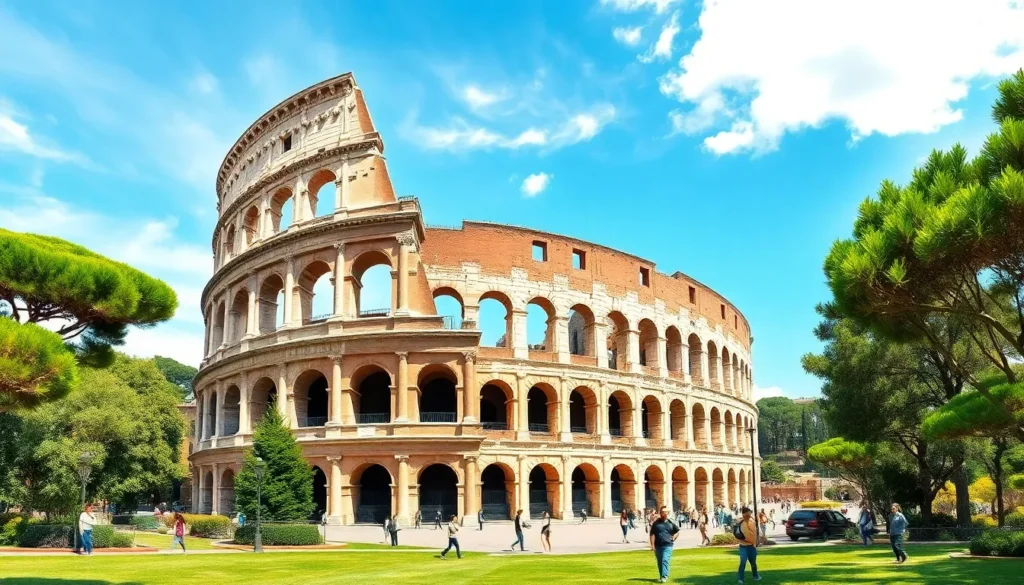
Ancient Rome laid the groundwork for many aspects of present-day Italy. Political systems and legal frameworks developed during this era continue to influence modern governance. Architecture from this time, such as the Colosseum and aqueducts, showcases engineering prowess that inspires current architectural designs. Social customs derived from Roman practices, including family structures and religious observances, remain vital in everyday life. Additionally, the Latin language, as a result of Roman influence, serves as the foundation for Italian, enriching communication with its historical depth.
The Renaissance Period
The Renaissance period marked a transformative chapter in Italian history. This cultural rebirth sparked advancements in art, science, and philosophy. Major figures like Leonardo da Vinci and Michelangelo emerged, creating masterpieces that still resonate worldwide. Florence became a hub for innovation and creativity, attracting thinkers and artists alike. Alongside artistic movements, humanist thought flourished, emphasizing the value of individual experience and knowledge. The profound impact of this era extends beyond the arts, shaping educational frameworks and collective identities across Italy today.
Regional Variations in Italian Culture
Italian culture showcases a wide range of regional variations, each adding to the nation’s rich tapestry. Distinct customs arise from local ingredients, history, and geography, providing unique cultural experiences throughout the country.
Northern Italy Traditions
Northern Italy boasts traditions deeply influenced by its proximity to Europe. A significant focus lies on industrial growth, evident in regions like Lombardy. Milan stands out with its fashion and design influence, hosting events like Fashion Week. Families engage in regional festivities, enjoying polenta, risotto, and local wines. The use of the Italian language varies too, with dialects unique to areas like Veneto and Emilia-Romagna reflecting cultural identity. Festivals such as the Palio di Asti emphasize competitive spirit with traditional horse racing. Food, fashion, and history come together, illustrating Northern Italy’s vibrant character.
Southern Italy Traditions
Southern Italy presents a stark contrast, highlighting a warm, Mediterranean lifestyle. Family values hold immense importance, often portrayed through large gatherings centered around food. The culinary landscape showcases rich flavors, like Neapolitan pizza and Sicilian arancini. Street fairs and religious celebrations permeate local culture, with events such as the Feast of San Gennaro drawing large crowds. Dialects, differing from the North, give voice to the region’s unique heritage, enhancing communication and connectivity. The arts also flourish, exemplified by traditional music, dance, and vibrant festivals, reinforcing South Italy’s engaging charm.
Italian Cuisine and Culinary Traditions
Italian cuisine stands as a reflection of the country’s rich cultural heritage and diverse regional flavors. This vibrant food culture highlights local ingredients and age-old recipes.
Regional Dishes and Ingredients
Each Italian region boasts distinct dishes that showcase its unique ingredients. Neapolitan pizza, with its thin crust and fresh mozzarella, represents Campania. Lombard risotto, characterized by creamy texture and saffron, represents northern regions. In Tuscany, hearty bean soups highlight the use of legumes and local vegetables. Southern Italy’s arancini, or stuffed rice balls, demonstrate the influence of Mediterranean flavors. The emphasis on seasonal produce creates a connection to the land and its traditions. Celebrating this diversity reinforces the regional identities within Italy.
Importance of Family Meals
Family gatherings around the dining table form the heart of Italian culture. Meals often last for hours and allow families to connect, exchange stories, and strengthen bonds. Traditions like Sunday lunch bring together generations, featuring multiple courses that foster sharing and conversation. The focus on communal dining highlights the importance of togetherness. Many Italians prioritize experiencing food as a means to express love and hospitality. Sharing dishes such as pasta al pomodoro or lasagna creates cherished memories and reinforces familial ties. The ritual of preparing and enjoying meals together contributes to the sense of belonging within Italian families.
Festivals and Celebrations in Italy
Italy’s vibrant culture shines through its numerous festivals and celebrations. These events reflect the country’s rich traditions, uniting communities in joyous observance.
Major National Holidays
Italy celebrates several major national holidays with enthusiasm. Republic Day on June 2 marks the formation of the Italian Republic and features parades and ceremonies. Ferragosto, observed on August 15, commemorates the Assumption of Mary and emphasizes summer festivities such as beach outings and family gatherings. New Year’s Day brings fireworks and parties, while Christmas includes unique customs, including the Feast of the Seven Fishes on Christmas Eve. These holidays foster a sense of national pride and showcase deep-rooted cultural significance.
Local Festivals and Traditions
Local festivals highlight Italy’s diverse regional traditions. Venice hosts Carnevale, famous for vibrant masks and elaborate costumes. Siena’s Palio di Siena features fierce horse races that celebrate neighborhood pride. In the south, the Feast of San Gennaro attracts crowds with food and religious devotion. Each region adds its unique flavor to these celebrations, showcasing local cuisine, music, and customs. Festivals create a sense of community and belonging, bringing people together to honor their heritage and enjoy shared experiences.
Art and Architecture in Italian Culture
Art and architecture embody the essence of Italian culture. They showcase a rich history that influences contemporary expressions across the globe.
Influential Italian Artists
Italian artists have shaped global art movements. Leonardo da Vinci revolutionized painting techniques with his masterpieces like the “Mona Lisa” and “The Last Supper.” Michelangelo’s sculpting skills brought figures to life in works such as “David” and the Sistine Chapel’s ceiling. Caravaggio introduced dramatic lighting in his paintings, changing the baroque style. These artists set new standards in craftsmanship, creativity, and emotional depth, cementing Italy’s status as a center for artistic innovation.
Iconic Architectural Achievements
Italy boasts iconic architectural landmarks that span centuries. The Colosseum, an ancient Roman amphitheater, stands as a testament to engineering prowess. Florence’s Cathedral, with its stunning dome designed by Brunelleschi, exemplifies Renaissance architecture’s brilliance. Venice’s palaces and canals create a unique urban landscape blending art and functionality. The Leaning Tower of Pisa captivates observers with its unintended tilt, showcasing both beauty and imperfection. Each structure reflects Italy’s diverse historical influences and cultural values, inviting admiration from people worldwide.
Italian culture and traditions offer a captivating glimpse into a world where history, art, and family values intertwine. The vibrant celebrations and regional diversity create a rich tapestry that enchants both locals and visitors alike. From the culinary delights that bring families together to the festivals that showcase community spirit, Italy’s cultural heritage continues to thrive.
As one explores the streets of Rome or the canals of Venice, the essence of “la dolce vita” becomes palpable. Each experience reflects a deep-rooted connection to the past while embracing the present. Italy’s enduring charm lies in its ability to blend tradition with modernity, inviting everyone to partake in its timeless legacy.