Irish culture and traditions are like a hearty stew—rich, flavorful, and packed with a delightful mix of ingredients. From the enchanting tales of leprechauns to the lively rhythms of traditional music, every aspect invites curiosity and celebration. It’s a culture that knows how to throw a good party, whether it’s St. Patrick’s Day or a simple gathering at the local pub.
Overview of Irish Culture and Traditions
Irish culture features a rich tapestry of history and heritage that resonates through everyday life. Music plays a pivotal role, with traditional instruments like the fiddle and bodhran creating rhythms that invite dancing. Celebrations often center around music, blending storytelling and merriment.
Festivals such as St. Patrick’s Day showcase this vibrant spirit, promoting community engagement through parades, music, and dance. Local pubs serve as gathering places where people connect, sharing a pint while engaging in lively conversations. These venues often host folk music sessions that invite participation.
Leprechauns and other folklore characters evoke the enchanting nature of Irish storytelling. Tales of ancient myths and legends frequently capture imaginations, preserving cultural narratives for generations. This oral tradition fosters a sense of pride and belonging.
Cuisine reflects the culture’s heart, with hearty dishes featuring ingredients like potatoes, lamb, and seafood. Traditional meals, often enjoyed during family gatherings, emphasize hospitality and warmth.
Arts and crafts also hold an esteemed place in Irish culture. Handmade items like pottery and textiles highlight skill and creativity. The intricate designs often tell stories rooted in history.
Irish dance showcases athleticism and artistry, with styles ranging from river dance to traditional ceili. These performances attract audiences worldwide, celebrating the culture’s dynamic nature.
Religion influences many customs, particularly those tied to significant life events. Ceremonies such as christenings, weddings, and funerals often draw upon deep-seated traditions, reinforcing communal bonds.
Irish culture and traditions encompass music, storytelling, cuisine, dance, and community, creating an environment rich in connection and celebration.
Historical Influences on Irish Culture
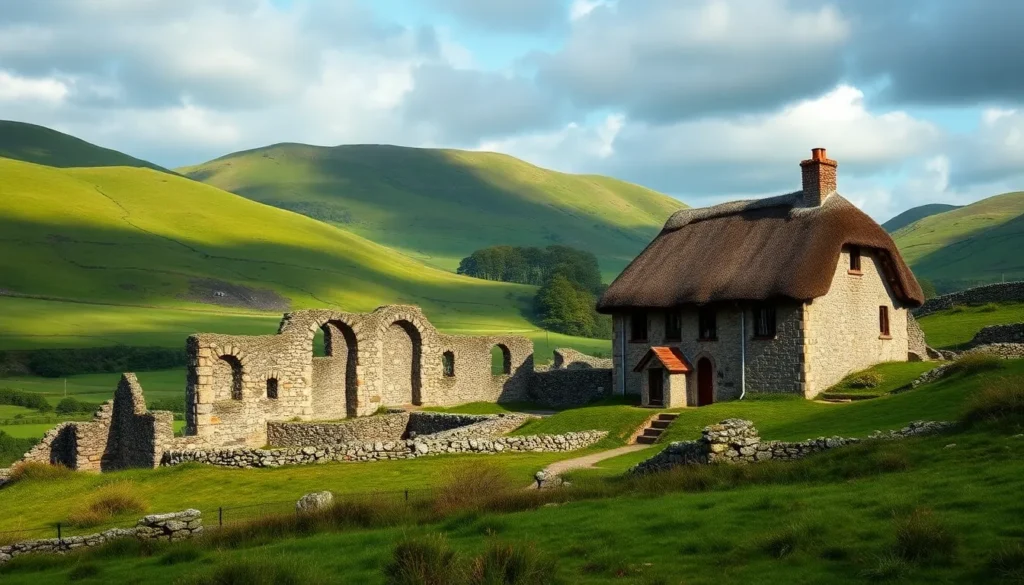
Irish culture showcases deep historical roots that shape its traditions and practices today. Various influences have molded the cultural landscape over centuries.
Celtic Roots
Celtic heritage stands as a cornerstone of Irish identity. Ancient Celtic tribes introduced rich traditions, including intricate artwork and pagan beliefs. Festivals often reflect this heritage, celebrating the changing seasons and connecting communities. The Gaelic language, integral to this culture, survives through literature and poetry. Additionally, folklore features mythical figures like the Tuatha Dé Danann, showcasing a strong narrative tradition. Music and dance also stem from these roots, with traditional tunes inviting communal participation during celebrations.
British Colonial Impact
British colonialism significantly altered Ireland’s cultural fabric. From the 17th century, English rule imposed language and land reforms, affecting Irish social structures. The Great Famine in the mid-19th century accelerated migration, resulting in a global Irish diaspora. This movement spread Irish customs, leading to a blending of cultural practices abroad. Resistance to British influence fostered movements to revive Gaelic traditions, emphasizing pride and heritage. Literary figures, like W.B. Yeats and James Joyce, emerged during this period, capturing the spirit of Irish resilience. Despite historical challenges, Irish culture remains vibrant and diverse.
Key Aspects of Irish Traditions
Irish traditions encompass a variety of vibrant elements, with music and dance standing out.
Music and Dance
Music forms a central component of Irish life. Traditional instruments like the fiddle and bodhran create captivating melodies that encourage dancing. These lively tunes invite people to share stories, strengthening communal bonds. Popular dance forms, including river dance and ceili, emphasize rhythmic footwork and intricate formations. Celebrations often feature performances that showcase dancer talent, further enriching cultural experiences. Together, music and dance foster a spirited atmosphere at gatherings, whether it’s a local pub or a community festival.
Festivals and Celebrations
Festivals highlight the joyful spirit of Irish culture. St. Patrick’s Day showcases parades filled with vibrant costumes, music, and dance. Communities come together to celebrate heritage and share in the festivities. Events like the Galway International Arts Festival and the Derry Halloween Festival attract visitors from around the world, offering unique experiences. Serving delicious traditional dishes, local performers share stories and music, creating an inviting environment for both locals and tourists. Festivals serve as essential opportunities to participate in cultural expressions and communal connection.
Irish Cuisine and Culinary Traditions
Irish cuisine showcases a rich heritage that reflects the character of its people. Traditional flavors and hearty ingredients play a vital role in this vibrant culture.
Traditional Dishes
Traditional Irish dishes emphasize simplicity and hearty ingredients. Particularly notable is Irish stew, made with lamb or beef, potatoes, carrots, and onions. Another classic is soda bread, a staple using simple ingredients like flour, baking soda, buttermilk, and salt. Colcannon, a mix of mashed potatoes with cabbage or kale, delivers comfort with every bite. Seafood chowder also highlights the coastal resources, offering a creamy soup filled with fish and shellfish. These dishes not only nourish but also tell stories of the land and community, where sharing meals fosters connection.
Modern Adaptations
Modern Irish cuisine brings global influences into traditional recipes. Chefs today often incorporate local, seasonal ingredients to craft innovative takes on beloved dishes. For instance, a version of traditional boxty, a potato pancake, features gourmet toppings like smoked salmon or spiced lamb. Street food culture thrives in Dublin, showcasing dishes like fish and chips with a contemporary twist. Vegan and vegetarian options also gain popularity, with plant-based dishes highlighting local produce. These adaptations invite a new generation to appreciate Irish culinary traditions while exploring diverse flavors.
The Role of Language in Irish Culture
Language acts as a cornerstone of Irish culture, deeply connecting individuals to their heritage. The Irish language, or Gaelic, once faced decline but now experiences revitalization efforts across the country.
Irish Language Revitalization
Revitalization initiatives drive a renewed interest in the Irish language. Educational programs in schools promote Gaelic among young learners, ensuring the language’s future. Media outlets, including television and radio, also encourage its use, helping to normalize daily conversations in Irish. Community groups host social events, allowing people to practice Gaelic in casual settings. Increased visibility of the language through signage reinforces its significance in modern Ireland.
Dialects and Regional Variations
Dialects within the Irish language showcase the diversity of regional identities. Dialects like Munster, Connacht, and Ulster each possess unique vocabulary and pronunciation. This variety enriches the cultural tapestry and highlights local traditions. While formal education emphasizes standardized Gaelic, regional differences reflect the historical influences shaping various areas. Daily interactions often blend dialects, making communication dynamic and lively. Each dialect carries stories that connect individuals to their geographic roots, further enhancing the cultural landscape.
Irish culture and traditions embody a rich tapestry of history, music, and community. The vibrant celebrations and heartfelt gatherings reflect the warmth and resilience of the Irish spirit. From enchanting folklore to the rhythmic dance of ceili, every aspect contributes to a lively cultural identity that continues to thrive.
As Ireland embraces modern influences while honoring its roots, it invites both locals and visitors to engage with its heritage. The revival of the Gaelic language and the evolution of traditional cuisine showcase a dynamic culture that adapts yet remains deeply connected to its past. Ultimately, Irish culture is a celebration of life, connection, and the shared joy of community.