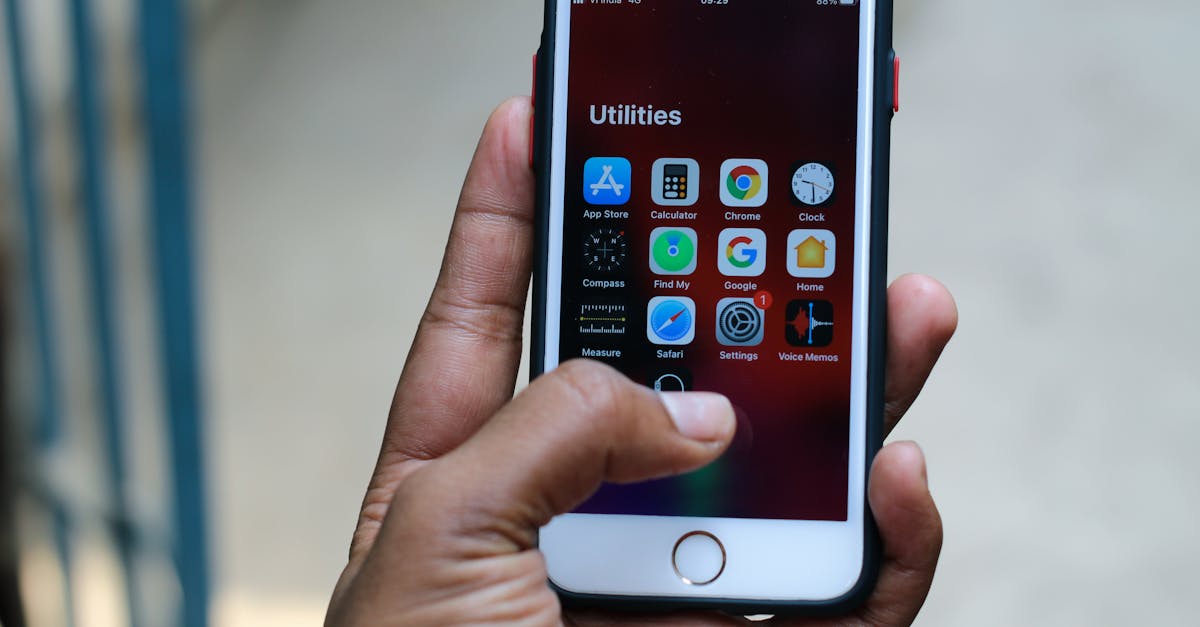
In a world where secrets are as common as cat videos, protecting your voice memos on an iPhone is a must. Imagine recording a brilliant idea or a heartfelt message, only to have it accidentally deleted or accessed by the wrong person. Yikes! Locking those precious recordings is not just a smart move; it’s practically a necessity in today’s digital jungle.
Table of Contents
ToggleOverview of Voice Memos on iPhone
Voice Memos serves as a built-in application for recording audio on iPhones. It allows users to capture conversations, interviews, or personal reminders with ease. Organizing recordings into folders enhances accessibility and management for users.
Audio quality remains high, ensuring that captured sounds are clear and easily understandable. Features like trimming, editing, and sharing options provide versatility in handling recordings. Users can quickly send memos through messages or email.
Privacy is a significant concern for many users. Securing voice memos prevents unauthorized access and accidental deletions. Utilizing locking features or additional security measures adds an extra layer of protection.
Availability on multiple devices enhances its usability. Syncing recordings across iCloud ensures that users can access their audio files on different Apple devices. This capability ensures convenience for those who switch between devices frequently.
Personal users find this app particularly valuable for preserving thoughts or daily reflections. Students often use Voice Memos for recording lectures or study notes. Professionals rely on it for documenting meetings and brainstorming sessions, making it a versatile tool in various contexts.
Manipulating recordings is straightforward, thanks to a user-friendly interface. Users can quickly navigate between different audio files and select the desired one for playback or editing. Overall, Voice Memos proves to be a practical solution for capturing essential audio content securely on iPhones.
Importance of Locking Voice Memos
Locking voice memos provides essential protection against unauthorized access and privacy threats. Securing these recordings highlights their value, especially in a world with increasing digital vulnerabilities.
Privacy Concerns
Maintaining privacy is crucial for individuals storing personal thoughts or sensitive conversations. Unauthorized access can lead to potential misuse of recorded content. Many users might overlook the importance of locking their memos, putting their private information at risk. Features like password protection or face recognition ensure only authorized users can access recordings. With increased incidents of data breaches, prioritizing security measures for voice memos remains vital. Taking these precautions minimizes the chances of exposure to unwanted listeners.
Secure Sensitive Information
Locking voice memos allows users to safeguard sensitive information effectively. Professionals often record meetings or interviews that contain confidential data. By applying locking features, they can prevent this information from falling into the wrong hands. Personal users might save heartfelt messages or reminders that hold emotional significance. Protecting these recordings ensures that valuable content remains private and accessible only to the intended recipient. Utilizing locking mechanisms serves as a proactive approach to maintaining confidentiality, enabling individuals to record without fear of intrusion.
How to Lock Voice Memos on iPhone
Protecting voice memos on an iPhone ensures privacy and prevents unauthorized access to personal recordings.
Using the Built-in Features
Apple offers built-in features for locking voice memos. Users can enable password protection in the Notes app, linking their voice memos to specific notes. By organizing recordings within secured notes, it becomes simpler to manage accessibility and safeguard sensitive content. Additionally, enabling Face ID or Touch ID provides an extra layer of security. Whenever a user attempts to access the note containing the voice memo, authentication occurs, keeping recordings safe from unauthorized listeners.
Third-Party Apps for Extra Security
For users seeking enhanced protection, third-party apps deliver additional security options. Several applications specialize in encrypting audio files, ensuring recordings remain secure. These apps offer features such as password protection and cloud storage encryption. Users often benefit from customizable settings, allowing them to choose how recordings are accessed and shared. Using such apps, individuals can bolster the security of their voice memos, making unauthorized access highly challenging.
Tips for Managing Locked Voice Memos
Managing locked voice memos efficiently helps maintain organization and access while ensuring security. Proper handling can enhance overall user experience with the app.
Organizing Your Voice Memos
Creating folders for different categories of voice memos simplifies organization. Individuals can label folders by project, date, or topic for quick identification. Using descriptive titles for each memo assists in locating recordings faster. Regularly reviewing and cleaning up old recordings prevents clutter and maintains focus on current files. Implementing a systematic approach fosters a tidy library of essential audio content.
Unlocking and Editing Voice Memos
Unlocking voice memos enables easy access for editing or sharing. Users can tap on the memo to enter their password or use Face ID for swift entry. Aside from unlocking, trimming or enhancing audio quality can improve clarity. Accessing editing tools allows users to cut sections, insert new audio, or adjust playback speed. After making adjustments, saving changes keeps the memo updated. Keeping backups in separate secure folders ensures peace of mind in case of accidental deletions.
Locking voice memos on an iPhone is a vital step in protecting personal and professional recordings. With the increasing risks of unauthorized access and privacy breaches, users can take control of their audio content by utilizing built-in security features and third-party apps.
Implementing password protection or biometric security adds a necessary layer of defense against potential intruders. By organizing voice memos into folders and regularly reviewing them, users can maintain both security and accessibility.
Taking proactive measures ensures that valuable ideas and meaningful messages remain confidential, allowing individuals to record with confidence in a digital landscape filled with vulnerabilities.