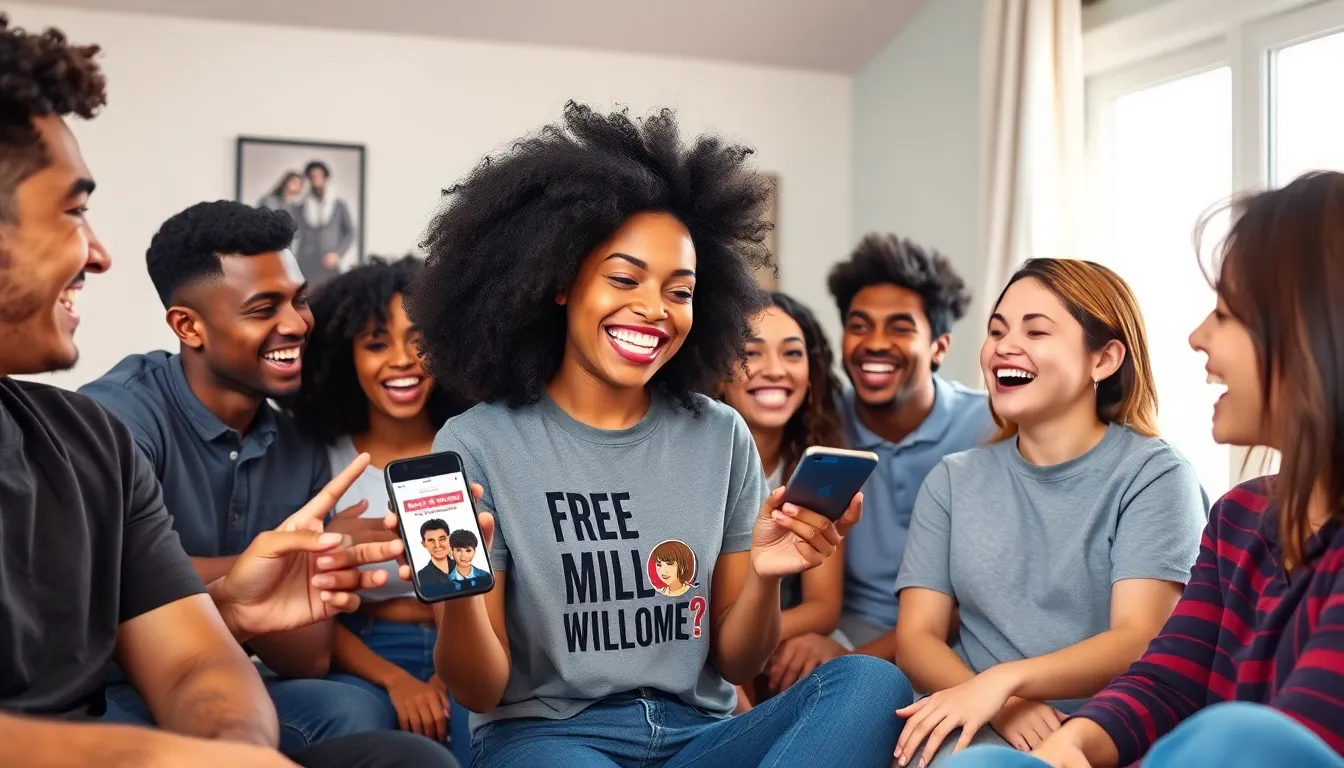
In today’s digital age, memes have become the universal language of the internet. They’re more than just funny images; they’re cultural phenomena that shape conversations, influence trends, and even spark movements. From the classic “Distracted Boyfriend” to the latest TikTok dance craze, memes capture the essence of our shared experiences, often with a hilarious twist.
Understanding Memes and Culture
Memes serve as a powerful medium for cultural expression, effectively bridging communication gaps across diverse communities. They often provide insight into societal norms and collective mindsets.
Definition of Memes
Memes encompass various forms of digital content, including images, videos, and text, that convey ideas or cultural commentary. These elements thrive on social media and rely heavily on humor, satire, or absurdity for impact. A shared understanding among users enhances their effectiveness, enabling memes to resonate widely. Memes function as cultural shorthand, encapsulating complex thoughts within simple visuals, making them easily recognizable and relatable.
Evolution of Memes
Memes have evolved significantly since their inception, adapting with technological advancements and cultural shifts. The term itself, coined by Richard Dawkins in 1976, initially referred to ideas spreading through culture. Early memes included simple text-based formats shared via email or forums. Social media platforms transformed this landscape, supercharging virality and creativity. TikTok and Instagram generate rapid meme trends, showcasing their dynamic nature. The “Distracted Boyfriend” and “Woman Yelling at a Cat” memes exemplify how quickly they can become cultural touchstones, reflecting contemporary issues and humor.
The Role of Memes in Society
Memes function as vital instruments for communication in today’s digital landscape. Through humor and relatability, they convey complex ideas quickly and efficiently. Memes allow individuals to share thoughts and feelings without requiring lengthy explanations. Their visual nature promotes immediate understanding among diverse audiences.
Memes as a Communication Tool
Memes simplify the sharing of emotions and reactions. Users express solidarity or dissent through recognizable formats. Popular formats like GIFs and image macros enhance dialogue, fostering connections across cultures. By employing humor, memes bridge generational gaps, allowing for more engaging conversations. Memes can encapsulate sentiments, transforming reactions into viral content that resonates instantly. Social media amplifies their reach, facilitating conversations that transcend geographical boundaries.
Memes and Social Commentary
Memes often reflect societal issues and cultural shifts. By highlighting trends, they prompt discussions about politics, identity, and social justice. Memes provide commentary on current events, using humor to critique or support various viewpoints. For instance, viral memes during elections or social movements galvanize audiences, inspiring action or dialogue. Users leverage these images to create awareness, often sparking significant conversations that encourage critical thinking. They challenge societal norms, offering new perspectives through satire and irony.
Impact of Memes on Popular Culture
Memes significantly shape popular culture today. They influence marketing strategies and redefine entertainment.
Memes in Advertising
Brands leverage memes for advertising to engage younger audiences. Utilizing humor and relatability increases their reach. Memes allow companies to create a more approachable image. For example, early 2021, brands like Wendy’s used the “Distracted Boyfriend” meme in campaigns to connect with consumers. Memes resonate across diverse social media platforms, enhancing brand visibility. Their potential for virality generates organic engagement, often exceeding traditional advertising methods. Advertisers closely watch trending memes to capitalize on current cultural conversations. Advertisers can create content that feels authentic using memes, bridging the gap between brands and consumers.
Memes in Entertainment
Memes permeate the entertainment industry, shaping how content is consumed and shared. They inspire fan edits, parodies, and remixes that amplify engagement. Social media platforms, particularly TikTok, foster a culture of remixing memes, leading to viral challenges. Popular TV shows like “The Office” have become meme goldmines, extending their cultural relevance years after airing. Memes serve as a pathway for audiences to express their feelings about characters or plots. Furthermore, events like the “Game of Thrones” finale saw a surge of memes that reflected viewer reactions, from disappointment to humor. The entertainment industry adapts to these trends, often integrating memes into marketing and storytelling strategies.
The Future of Memes and Culture
Memes are evolving continuously, reflecting shifts in culture and technology. By embracing innovative formats, they adapt quickly to audience preferences.
Trends in Meme Creation
New trends in meme creation emphasize authenticity. Users increasingly prefer relatable content that resonates with shared experiences. Platforms like TikTok drive trends by promoting video memes, making them more dynamic. Creative reuse of existing memes, often called remixing, enhances engagement. Participatory culture encourages users to contribute, resulting in collaborative meme formats. Nostalgic themes are trending as well, invoking past pop culture references to spark emotional connections.
The Influence of Technology
Technology significantly shapes the future of memes. Social media platforms like Instagram and Twitter determine meme visibility through algorithms. These algorithms prioritize engaging content, often favoring memes that encourage interaction. The rise of AI tools facilitates meme creation, streamlining the design process. Increased access to high-speed internet allows users to share and consume more diverse memes. Enhanced connectivity fosters the rapid spread of viral trends, enabling cultural shifts across the globe.
Memes have transformed into a vital component of modern culture. They not only entertain but also foster connections and spark conversations across diverse communities. By encapsulating shared experiences and societal commentary, memes serve as a reflection of contemporary issues and collective attitudes.
As technology continues to evolve, so will the landscape of memes. Their adaptability ensures they remain relevant in shaping cultural narratives and influencing communication. The future promises even more innovative formats and deeper engagement, solidifying memes as an enduring force in the digital age.